How to Play Bohemian Rhapsody by Queen on Piano
"Bohemian Rhapsody" by Queen is one of the most epic and ambitious piano pieces in rock history. Whether you're searching for the notes, the chords, or just how to get started, this dramatic and genre-defying melody is a must-learn for any piano player.
The Notes and Chords Behind the Epic
The piece is written in B♭ major and moves through multiple sections — each with its own feel and complexity — giving it that sweeping, theatrical quality. The left hand outlines chords like B♭ major, F major, E♭ major, and G minor through rich, layered patterns, while the right hand carries the iconic vocal melody with its dramatic leaps and powerful runs. Getting the contrast right — soft and intimate in the ballad opening, explosive and driving through the rock section — is what makes it such a legendary piece to perform.
Learn It on Melodease.com
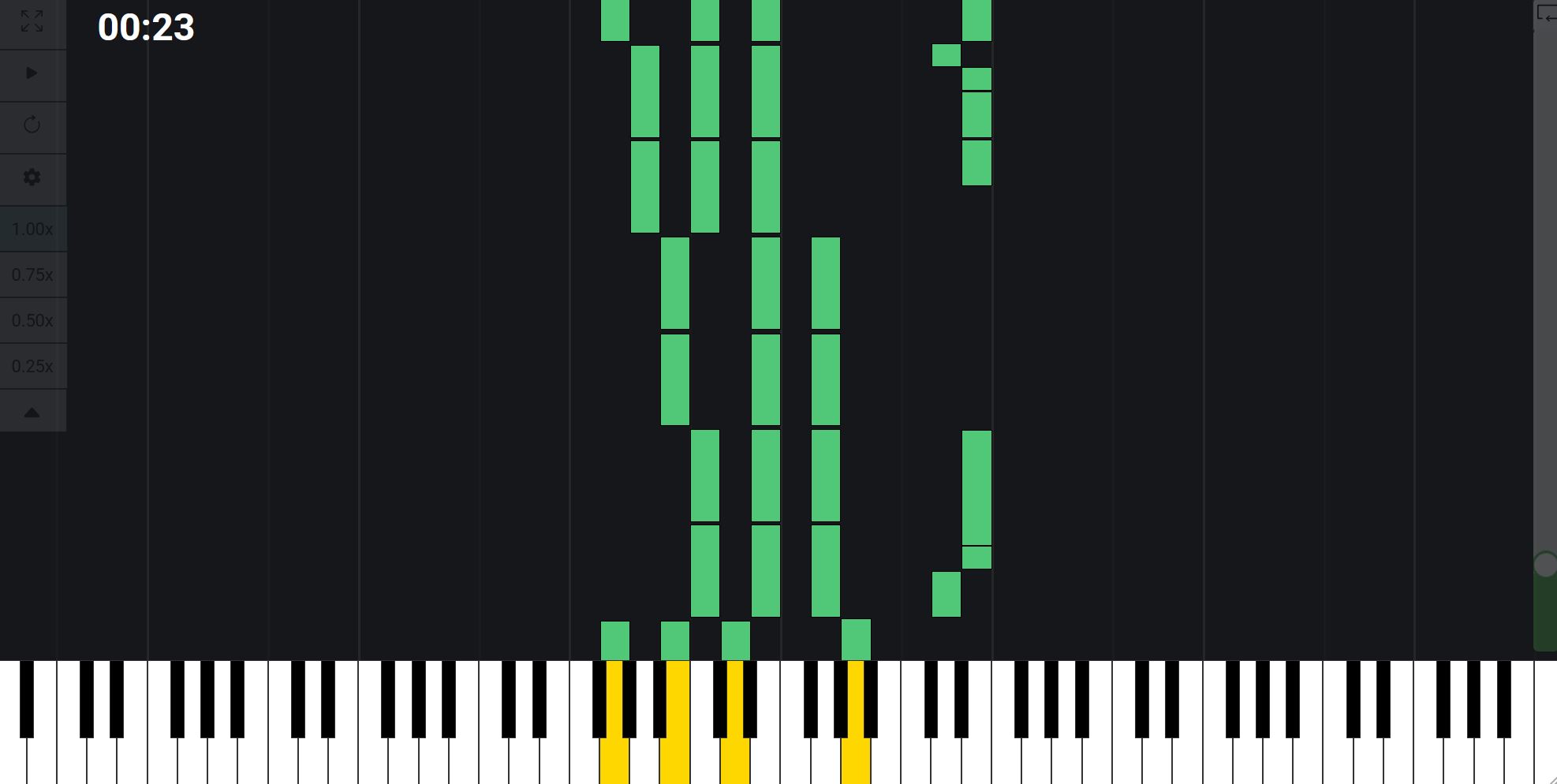
Head over to melodease.com to start learning. Their free note visualization tool shows you exactly which keys to press and when, making it easy to follow the melody and chord patterns in real time.
Practice the tender ballad intro, the operatic middle section, and the hard-driving rock finale — all at your own pace. Start your free account today and bring the grandeur of Bohemian Rhapsody to life on your piano!
Fun Facts
- Freddie Mercury began scribbling ideas for it as early as 1968 while at art college, originally calling the rough draft "The Cowboy Song" because the opening line gave him an Old West vibe—later drafts even flirted with naming it "Mongolian Rhapsody" before landing on the final title.
- The epic six-minute suite (no repeating chorus!) was stitched together from three separate song fragments Freddie had written, and he called it a "mock opera", featuring a ballad intro, over-the-top operatic middle with 180+ vocal overdubs (Brian May, Roger Taylor, and Freddie sang for 10-12 hours a day), a hard rock outburst, and a gentle coda.
- Recorded in 1975 across multiple studios (including Rockfield in Wales), it took weeks and was so complex that producer Roy Thomas Baker joked the tape wore thin from constant rewinding yet radio DJ Kenny Everett played the full uncut version 14 times over one weekend, sparking instant demand and making it Queen's first UK #1 despite its length and weirdness.
- It smashed records: nine straight weeks at #1 in the UK (a 1975 record), revived to #1 again in 1991 after Freddie's death (first song ever to top the charts twice), hit diamond status in the US, became the most-streamed 20th-century song, and its pioneering promo video (one of the first true music videos) was the oldest to reach 1 billion YouTube views.
- he song's cryptic lyrics (Scaramouche, Galileo, Figaro, Bismillah, Beelzebub) remain deliberately mysterious—Freddie refused to explain them, saying it's whatever listeners feel.