How to Play River Flows in You by Yiruma on Piano
"River Flows in You" by Yiruma is one of the most beloved contemporary piano pieces in the world. Whether you're searching for the notes, the chords, or just how to get started, this gentle and emotional melody is a must-learn for any piano player.

The Notes and Chords Behind the Beauty
The piece is written in A major and flows in a calm, reflective 4/4 time signature that gives it that serene, dreamlike quality. The left hand outlines chords like A major, E major, F# minor, and D major through gentle arpeggiated patterns, while the right hand carries the iconic lyrical melody with its graceful runs and tender phrasing. Getting the touch right — soft and intimate throughout, with subtle swells at the emotional peaks — is what makes it truly resonate.
Learn It on Melodease.com
Head over to melodease.com to start learning. Their free note visualization tool shows you exactly which keys to press and when, making it easy to follow the melody and chord patterns in real time.
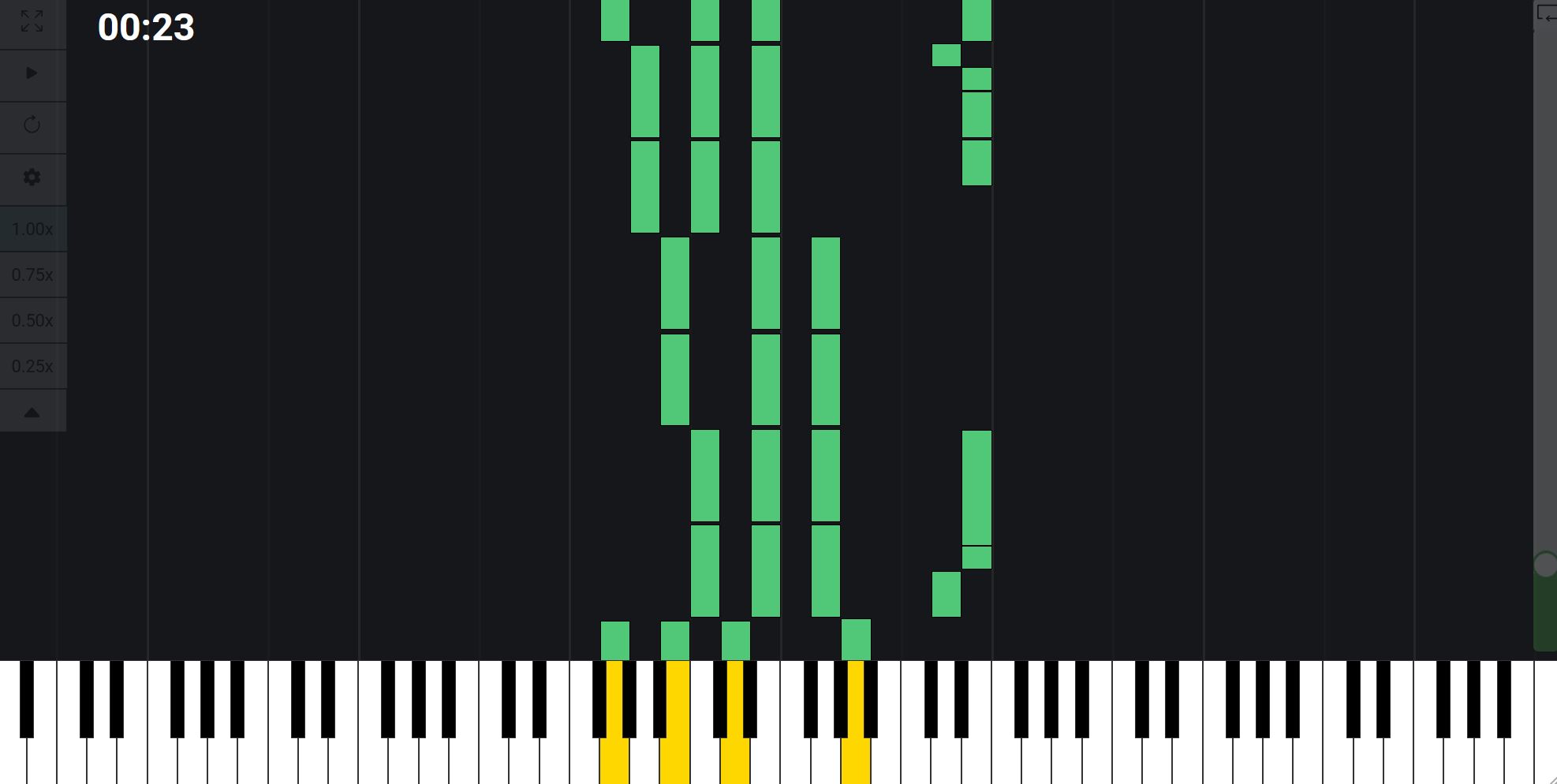
Practice the gentle opening arpeggios, the flowing melodic sections, and the tender build — all at your own pace. Start your free account today and let the beauty of River Flows in You come to life under your fingers!
Fun Facts
- It was released back in 2001 on Yiruma's album First Love, but it didn't explode globally until years later when Twilight fans mistakenly adopted it as "Bella's Lullaby" (even though the official movie soundtrack used a different piece)—sparking a massive wave of streams, covers, and YouTube views in the late 2000s.
- Yiruma has shared that the piece was inspired by watching a Riverdance TV advert: the flowing, dancing finger movements on the keys reminded him of Irish step dancing, which influenced the continuous, river-like motion of the melody. Despite its watery title, Yiruma clarified it's not literally about a river—it's about emotions flowing through your heart like a river, capturing that deep, unstoppable feeling of love or inner peace.
- The song cleverly balances pop simplicity (a repeating four-chord loop and singable melody) with classical touches, making it accessible for late-beginner pianists yet emotionally rich—it's often called a "pop song in disguise" and became a go-to piece during COVID lockdowns when tons of people rediscovered the piano.