10 Gifts Piano Players Actually Want (And Three They Really Don't)
Disclosure: some links below are affiliate links. If you buy through them we may earn a small commission at no extra cost to you. It doesn't affect what's on the list.
I have received a lot of piano-themed gifts over the years. Socks with keys on them. A mug with keys on it. A tie with keys on it, which I have never worn. A set of keyboard note stickers, which I'll come back to, because that one wasn't just useless — it was actively counterproductive.
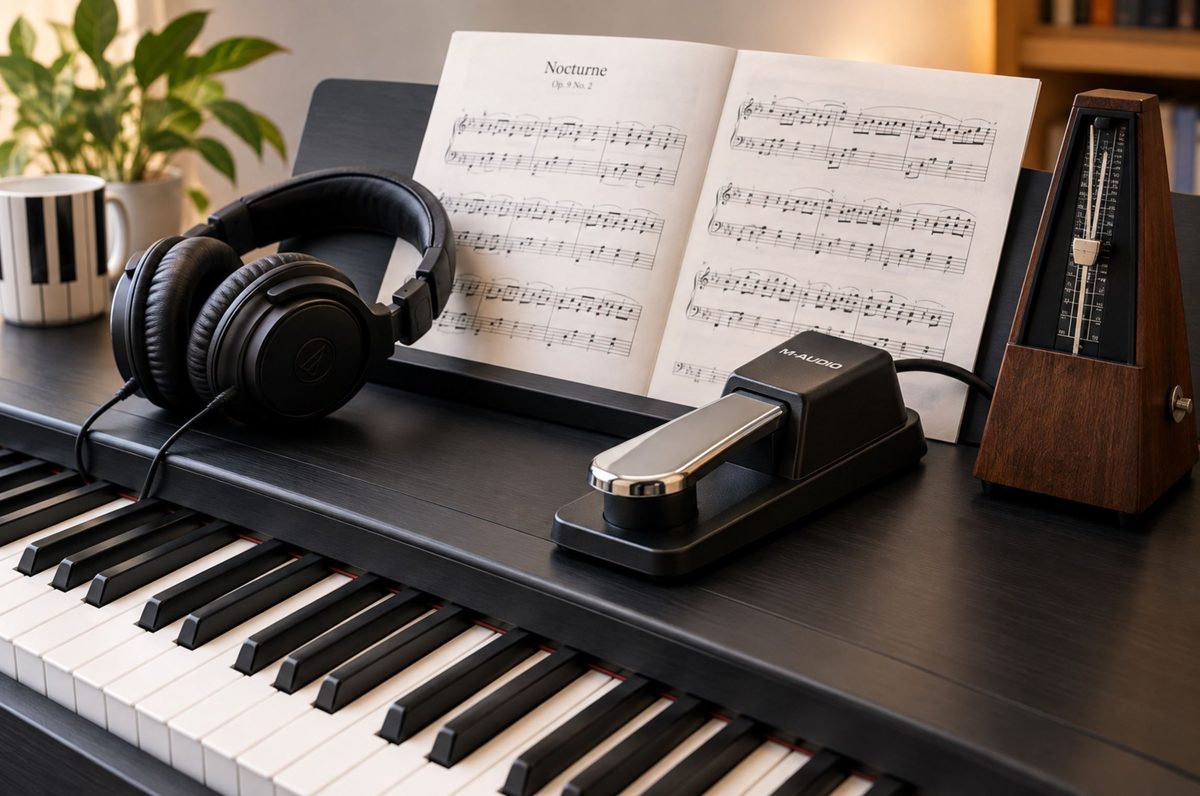
Here's the pattern I've noticed: gifts for musicians go wrong when they're about the hobby rather than for it. Anything with a treble clef printed on it is about the hobby. A sustain pedal that isn't a plastic footswitch is for it.
So this is the list I'd actually give someone shopping for a pianist. It's ordered roughly by how often the thing gets used, not by price — which means the first item costs about thirty dollars and is the one I'd buy before anything else on here.
1. A Proper Sustain Pedal
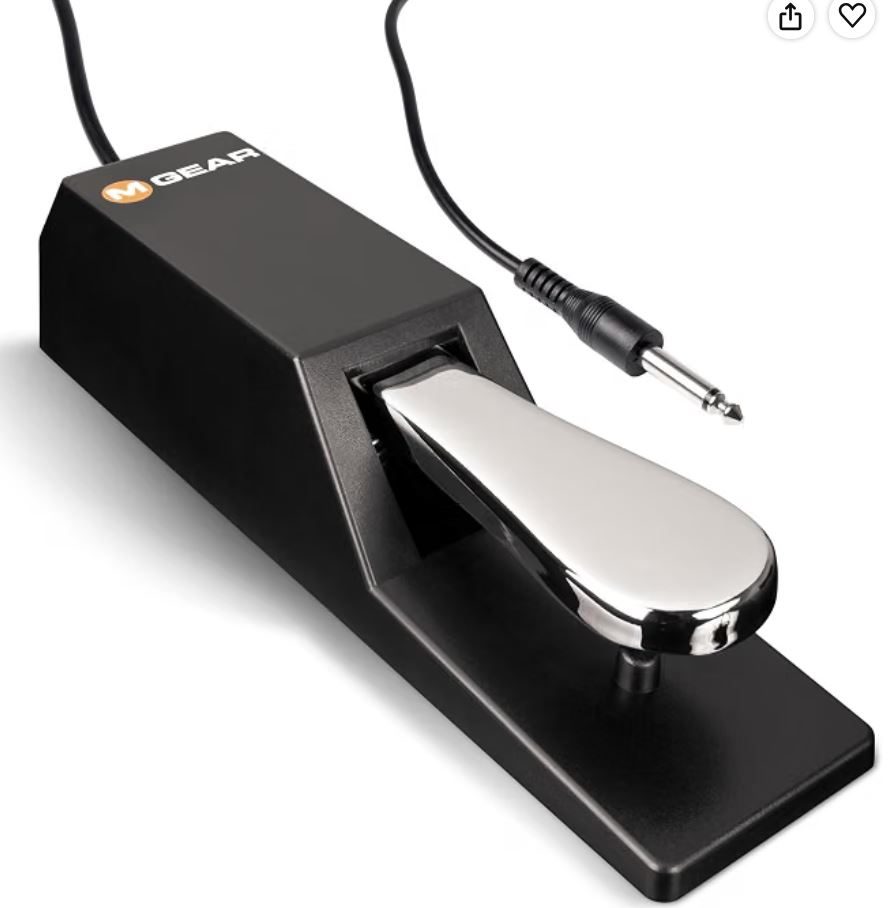
M-Audio SP-2 · around $30
Start here. Seriously. Nearly every digital piano ships with a small plastic footswitch that sits on the floor, slides away from your foot mid-piece, and only does on or off. Meanwhile, actual piano playing involves half-pedalling — pressing partway so the notes decay rather than cut.
The SP-2 is a metal piano-style chassis with a chrome foot plate, a 6-foot cable, and a rubber non-slip bottom that keeps it where you put it. It also has a polarity switch that toggles between normally-open and normally-closed sustain behaviour, which solves a problem that catches almost everyone eventually: Yamaha and Roland use opposite polarity, so a mismatched pedal makes notes sustain when your foot is up.
Why it's first: it's the cheapest thing on this list, it's used every single time they sit down, and it fixes a daily annoyance they've probably stopped noticing. That combination is rare.
2. Headphones That Don't Ruin the Sound
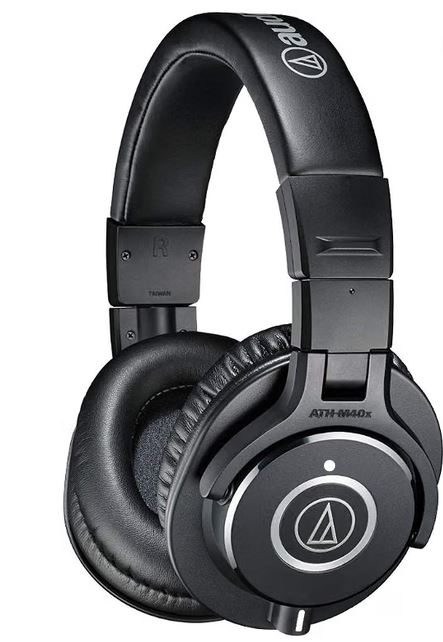
Audio-Technica ATH-M40x · around $99
The gift that buys them practice time. Most digital piano players practise in headphones, either because of neighbours or because someone else in the house is watching television. If those headphones are bass-heavy consumer ones, every note sounds wrong and every quiet passage disappears.
The M40x is tuned flat for accurate monitoring, closed-back with 40mm drivers and a 15Hz–24kHz range, with swivelling earcups and two detachable cables — a coiled one and a straight one. The coiled cable matters more than it sounds when you're seated at a keyboard and don't want a metre of slack on the floor.
The real gift here is hours. Good headphones mean practising at 11pm stops being antisocial, and late-evening practice is when most working adults actually have time.
3. A Bench That Adjusts
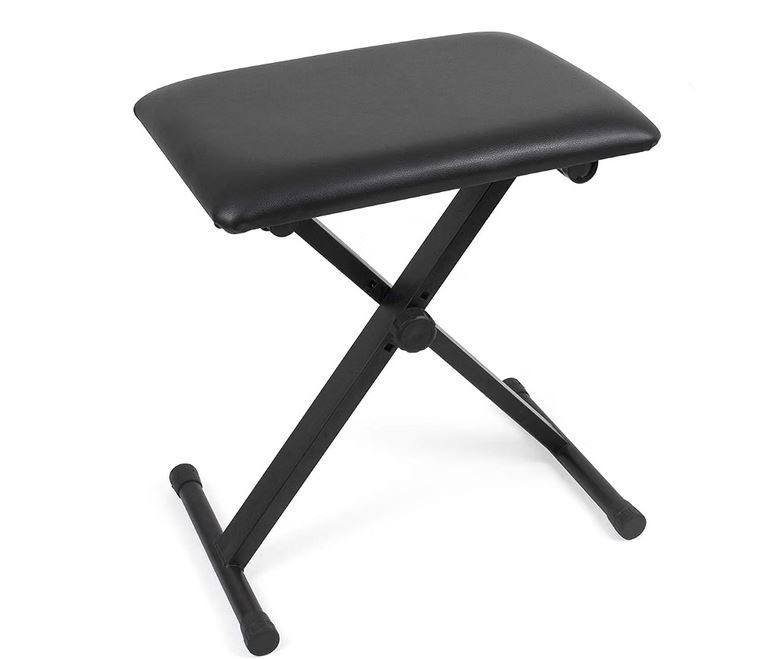
Kmise Adjustable Padded Bench · around $40
The unglamorous one that changes their technique. An enormous number of home players sit on a dining chair. A dining chair is about two inches too low and has a back, so you end up leaning and lifting your wrists. That angle is where most beginner hand tension comes from — it's the single most common thing I'd fix in someone's setup before touching anything they play.
An adjustable X-style bench gets the elbows level with the keys, folds flat for storage, and costs less than dinner out.
Nobody buys this for themselves, which is exactly what makes it a good gift. It's boring, it's invisible, and it quietly improves everything they play. More on why the height matters in our guide to hand positions.
4. The Book That Gets Them Through the Plateau
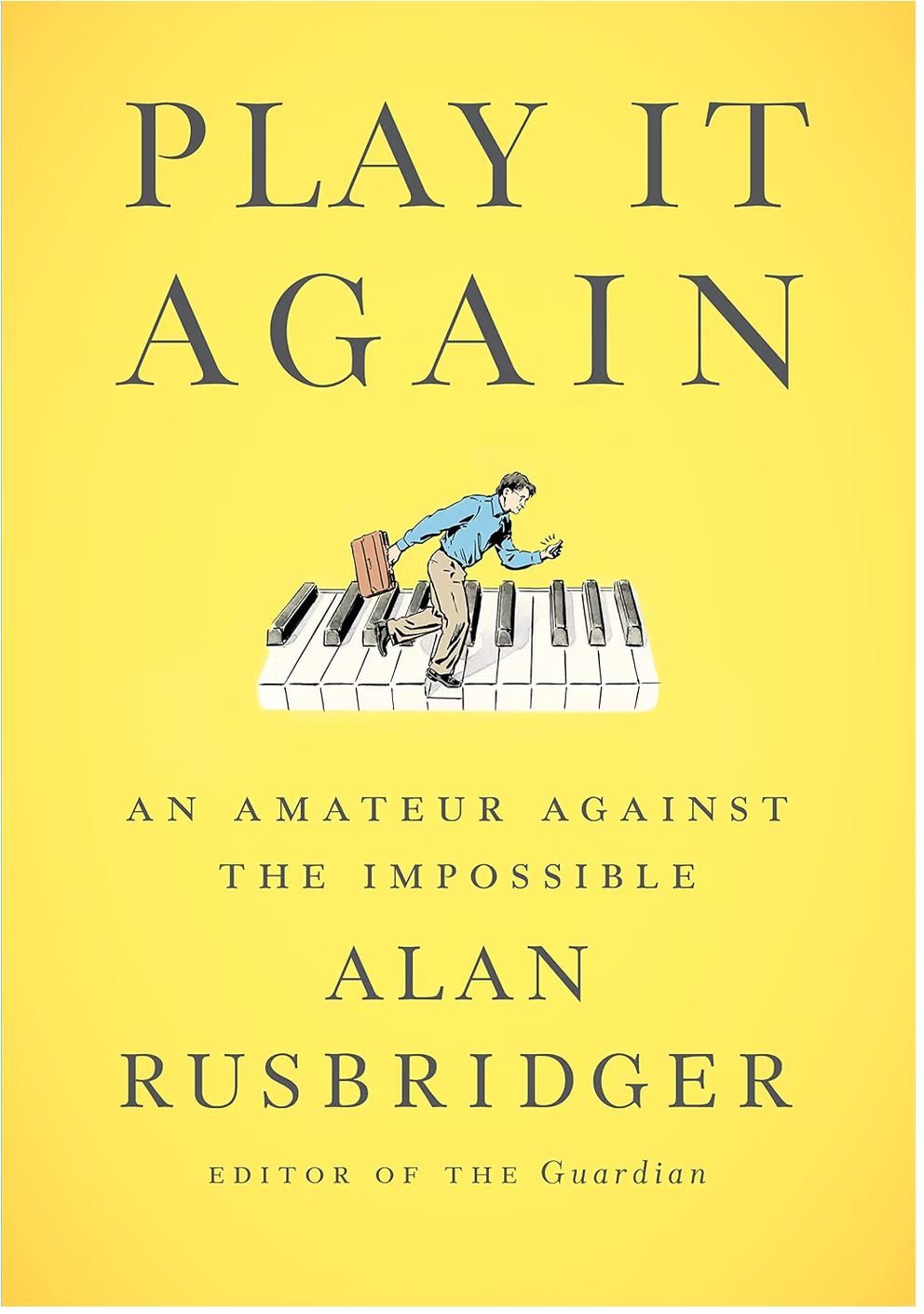
Play It Again by Alan Rusbridger · around $18
The best piano book that isn't about how to play piano. In 2010 Alan Rusbridger, then editor of the Guardian, decided to learn Chopin's Ballade No. 1 in G minor — a piece that inspires dread in many professional pianists — in one year, on twenty minutes of practice a day.
His timing was catastrophic. That year brought the Arab Spring, the Japanese tsunami, the English riots, and the Guardian breaking both WikiLeaks and the phone-hacking scandal. He kept practising anyway, including in a Libyan hotel during a revolution.
The bit that makes it a gift rather than a curiosity: it is a book about being an amateur, written without embarrassment. Daniel Barenboim's endorsement calls it the story of an exceptionally busy editor making time for the piano.
There's a review on the Singapore Amazon listing from a reader who found the book while learning the same Ballade, and finished it with time to spare, at age 70. That's the audience for this book, and it's a bigger audience than people assume — see why adults can excel at piano.
5. A Metronome They'll Actually Use
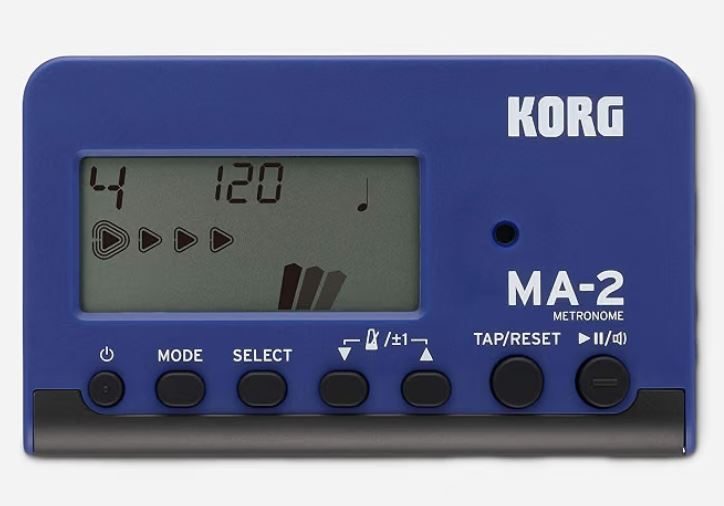
Korg MA-2 · around $25
Yes, there's a metronome app. No, they don't use it. The phone comes out, the notification arrives, the practice session becomes twenty minutes of scrolling. A physical metronome sits on the piano and doesn't do anything else.
The MA-2 has pendulum, full-step and tap tempo modes, time signatures from 0 to 9 beats with eight rhythm types, and roughly 400 hours of battery life. It also has a timer mode that sounds an alarm after a set interval, adjustable in one-minute increments up to two hours.
That timer is the sleeper feature. Set fifteen minutes, practise until it beeps, stop. It turns "I should practise more" into a thing with edges, and it's the format that actually works for adults with jobs.
6. A Light That Isn't the Ceiling Light
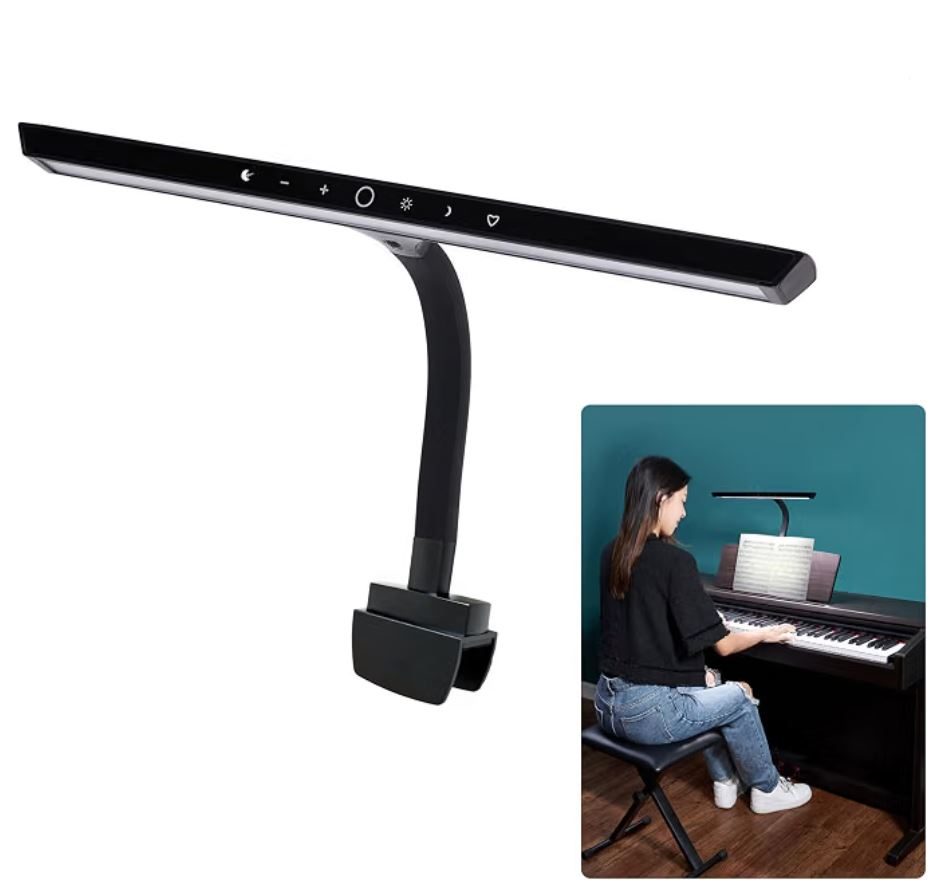
AETEE Clip-On Piano Light · around $30–45
A problem they've adapted to instead of solving. Most people's piano lives against a wall with a ceiling light behind them, which means their own head casts a shadow directly onto the music. So they lean forward to see, which wrecks the posture the bench in item 3 just fixed.
A clip-on LED with adjustable colour temperature and dimming fixes it for the price of a takeaway. Warm light in the evening, cool during the day, and no shadow.
Buy the wide-beam kind, not a book light. Sheet music is wider than a paperback and a narrow beam leaves the outer bars dim.
7. Manuscript Paper
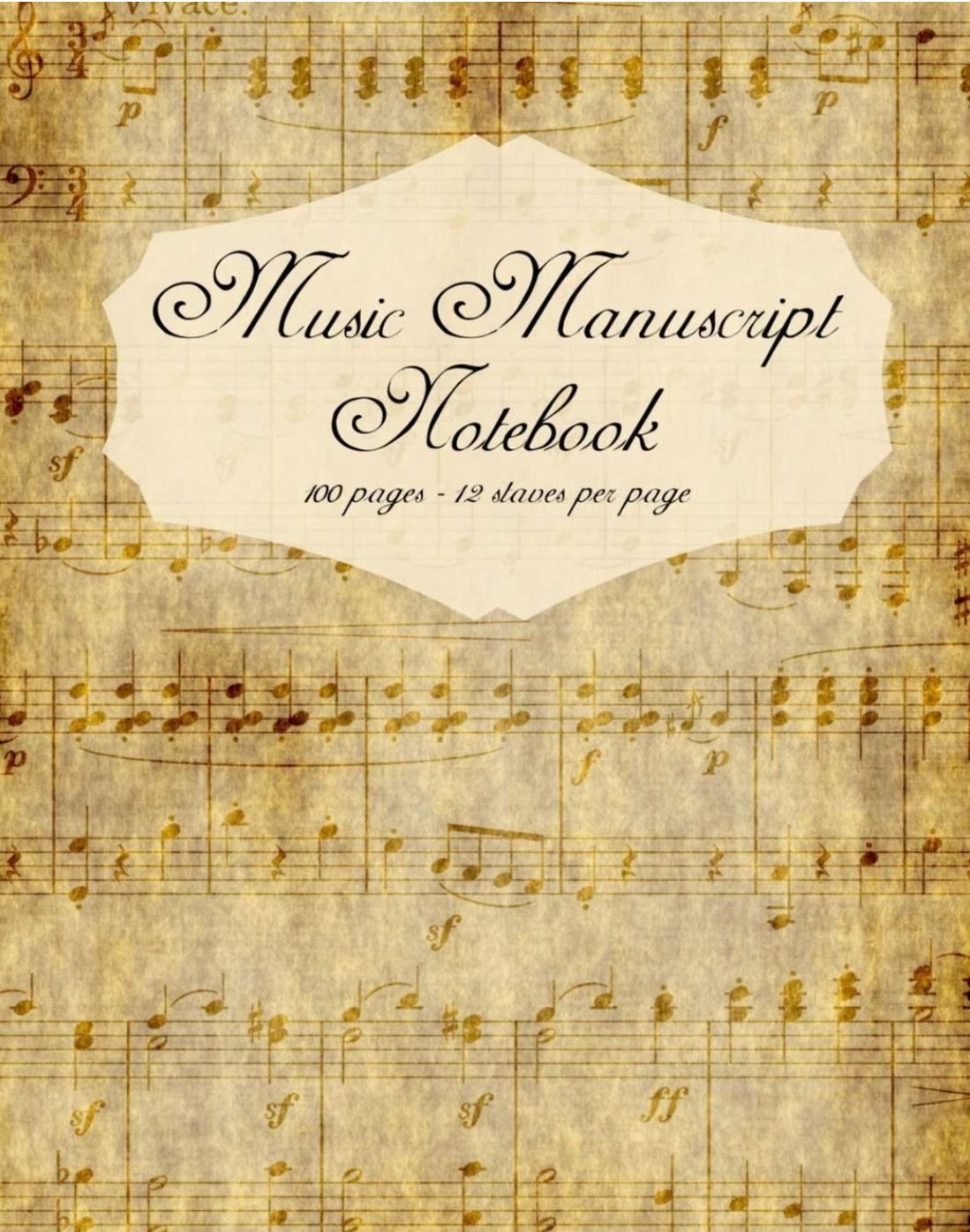
Manuscript notebook, 12 staves per page · around $7
The cheapest thing here and the most personal. Anyone who plays eventually wants to write something down — a chord voicing they stumbled onto, a fingering that works, a fragment of a tune. Most people scribble it on the back of an envelope and lose it.
A proper manuscript notebook is seven dollars and it says something the socks don't: that you think of them as someone who makes music, not someone with a hobby.
Pair it with a decent pencil and a good eraser. Pianists annotate scores constantly — fingerings, circled accidentals, reminders about where the hands cross — and pen is a mistake you live with forever.
8. A Dust Cover
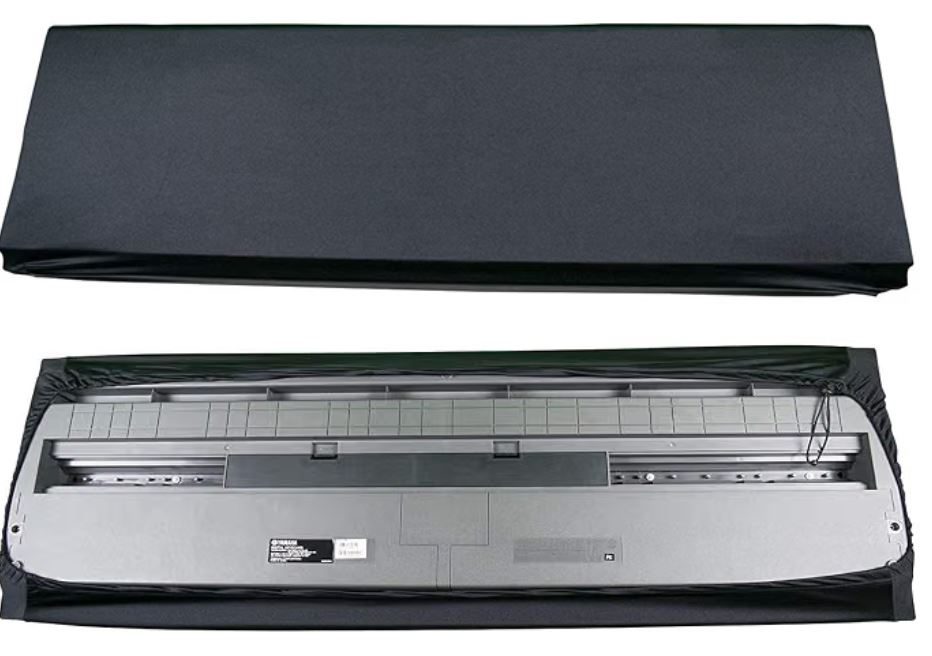
QMG Stretchable Keyboard Cover · around $15
Deeply unromantic, quietly useful. Dust between the keys is how digital pianos develop sticky notes and crunchy contacts. A stretchy spandex cover with an elastic cord and locking clasp, machine washable, keeps it out.
One caveat worth knowing: if their instrument is an acoustic piano with real ivory keys, don't cover it permanently. Ivory yellows in darkness and needs some light exposure. That and the rest of the care routine is in our piano maintenance guide.
9. Wireless MIDI
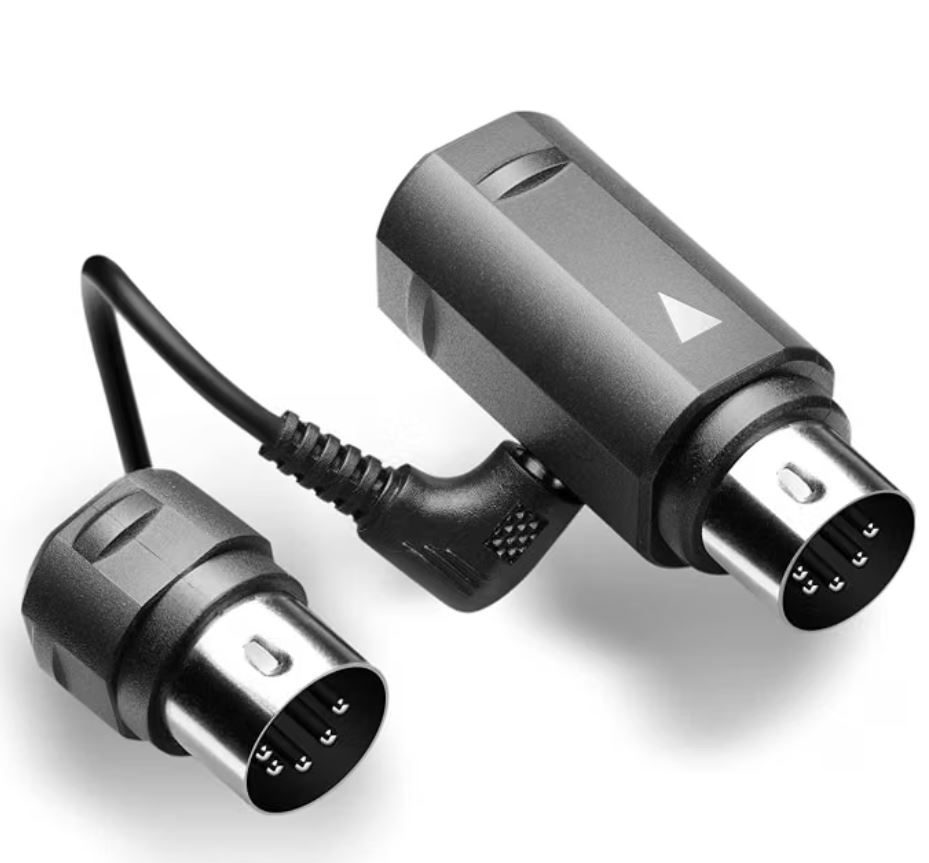
CME WIDI Master · around $50
For anyone with an older digital piano and a tablet. Learning apps, sight-reading trainers and notation software all want to talk to the instrument. Newer pianos have Bluetooth. Older ones have 5-pin DIN sockets and a cable running across the floor.
The WIDI Master plugs into those DIN sockets and makes the connection wireless, with latency as low as 3ms and no battery — it draws power from the MIDI Out port. It reconnects automatically after a power cycle.
Check before buying: their instrument needs 5-pin DIN MIDI ports. If it only has USB, CME makes a different version for that, so this is one to confirm rather than guess.
10. A Page-Turner Pedal
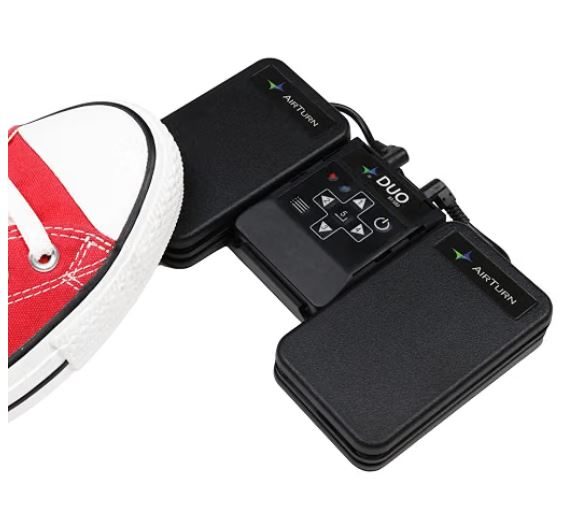
AirTurn DUO500 · around $100
The luxury item, and the one that gets the biggest reaction. Anyone reading sheet music from a tablet has the same problem: both hands are busy, and the page needs turning right at the hard bit. The usual solution is memorising four bars either side of every page break, which is a genuinely stupid use of practice time.
A Bluetooth foot pedal turns the page. That's all it does. AirTurn has been making these since 2008, and the DUO500 is the silent version — worth specifying, because the clicky ones are audible in a quiet room and during recordings.
Only buy this if they read from a tablet. If they're still on paper, skip it — this is the one item here that solves a problem they may not have.
Three Things Not to Buy

Keyboard note stickers. This is the one I got, and it's worth explaining why it's not just useless but harmful. Stickers on the keys teach you to look down and read letters instead of looking at the music and reading notation. Every teacher I've encountered says the same thing, and the recurring advice in the r/piano community is identical: they're a crutch that takes longer to remove than it would have taken to learn properly. If someone is struggling to find notes, the answer is the black-key groups, not labels.
Hand-strengthening devices. Finger exercisers, spring-loaded grip trainers, anything promising to stretch your reach. Pianists don't need grip strength — they need independence and control, which comes from playing. There's a long-standing story that Robert Schumann permanently damaged his right hand in the 1830s using a contraption meant to strengthen his fingers, ending his performing career. Historians argue about the exact cause, but the reputation has stuck for two hundred years and the underlying point stands: forced mechanical stretching is a good way to injure yourself.
Anything with a keyboard pattern printed on it. Socks, mugs, ties, cushions, wall art, phone cases. I understand the impulse entirely. But it's a gift about the idea of them playing piano, which is subtly different from a gift they'll use on Tuesday evening. The seven-dollar manuscript notebook communicates more affection than the thirty-dollar novelty mug, and I say that as someone who owns the mug.
If You Want to Spend More
Sheet music they've mentioned wanting. Specific and personal, and most players have a piece they've been circling for months. Musicnotes, Sheet Music Direct and Sheet Music Plus all sell individual arrangements legitimately, usually for a few dollars.
Lessons. Even four sessions with a teacher is transformative for a self-taught player, because a teacher catches the tension and fingering habits you cannot see yourself. Harder to wrap, worth more than everything above combined.
A better instrument. If they're on a 61-key keyboard and still playing a year later, the jump to weighted keys is the upgrade that genuinely changes what they're capable of. We've covered that in the best piano keyboards for beginners and the best digital pianos under $500.
Common Questions
They already have a keyboard — what's the most useful thing missing? Almost certainly the bench or the pedal. People buy the instrument and stop, then sit on a dining chair using the plastic footswitch for three years.
What if I don't know their setup? The book, the manuscript notebook and the metronome work for literally any pianist at any level on any instrument. Nothing to check, nothing to return.
Is a piano-learning app subscription a good gift? It can be, but it's a recurring cost you're committing them to and most people already have opinions about which app they want. Our top piano learning tools covers the options if you want to ask first.
They're a complete beginner — does any of this apply? The bench, pedal, headphones and metronome apply from day one. The page-turner and wireless MIDI don't. And if they're just starting, these easy first songs are a nice card to tuck in alongside.
Final Thoughts
The test I'd apply to any gift for someone who plays: will they touch it in the next seven days?
The mug fails that test. The dining chair they're sitting on passes it every single evening, and replacing it with a proper bench costs forty dollars.
That's the whole list, really. Look at where they actually sit and play, find the thing that's slightly wrong, and fix it.
Prices checked September 2026 and move frequently — always confirm before buying.